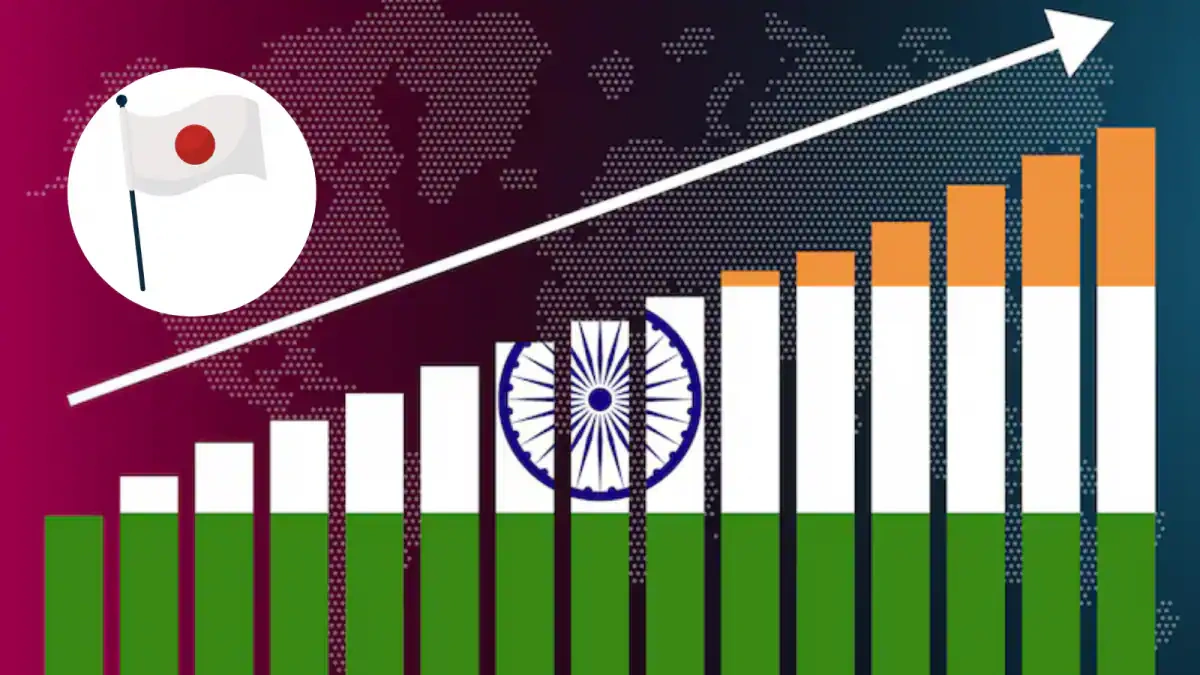
Alright, let’s talk about something that’s been buzzing in the financial world: S&P Global Ratings projecting a solid 6.5% growth for the India economy in 2024. Now, you might be thinking, “Okay, another growth projection. What’s the big deal?” But here’s the thing: this isn’t just some random number. It’s a significant marker, especially when you consider the global economic headwinds we’ve been facing. This projection is an analysis of our tax cuts and rate cuts.
Why This 6.5% Matters (And Why You Should Care)
So, why should you, the average person in India, care about a credit rating agency’s projection? Well, think of it like this: it’s a report card for our economy. A good grade – in this case, 6.5% growth – signals to investors worldwide that India is a stable and promising place to put their money. And that investment translates to jobs, infrastructure, and overall economic prosperity. Let me rephrase that for clarity: more money coming in means more opportunities all around.
But it’s not just about attracting foreign investment. This projection also influences domestic business sentiment. When companies see a positive outlook, they’re more likely to invest in expansion, hire more people, and launch new products. It’s a ripple effect that can boost the entire economic growth .
And here’s the thing that fascinates me: it’s not just about the number itself, but the factors driving it. S&P specifically cited tax cuts and rate cuts as key contributors. That means the government’s policies are actually working, at least according to one major ratings agency.
Tax Cuts and Rate Cuts | The Engine Room of Growth
Let’s dive a little deeper into these two drivers. Tax cuts, as the name suggests, mean that businesses and individuals have more money in their pockets. This increased disposable income can lead to higher consumer spending, which in turn boosts demand and drives production. It’s a pretty straightforward concept, but the execution is key.
Rate cuts, on the other hand, make it cheaper for businesses and individuals to borrow money. This can encourage investment and spending, particularly on big-ticket items like homes and cars. The Reserve Bank of India (RBI) has been carefully calibrating interest rates to strike a balance between stimulating growth and controlling inflation. It is important to consider RBI monetary policy as well. According to the RBI website , the current repo rate is 6.5%.
What fascinates me is how these two levers fiscal policy (tax cuts) and monetary policy (rate cuts) work in tandem to steer the Indian economy . It’s a delicate dance, and getting it right is crucial for sustained growth. A common mistake I see people make is thinking these are isolated events. They’re not. They’re part of a larger strategy.
The Global Context | India Shining Through
Now, let’s zoom out and look at the global picture. The world economy is facing a number of challenges, from inflation and rising interest rates to geopolitical tensions and supply chain disruptions. In this context, a 6.5% growth projection for India is even more impressive. It suggests that India is relatively resilient and well-positioned to weather the storm. As per the guidelines mentioned in the World Bank , India shows potential for sustained growth.
Here’s the thing: a lot of countries are struggling to maintain even moderate growth rates. But India seems to be bucking the trend. This is not to say that India is immune to global risks. But it does suggest that the country has a strong foundation and a favorable growth trajectory. This leads to an increased GDP growth rate and investment opportunities .
Challenges Ahead | The Road Isn’t Always Smooth
Of course, no economic story is complete without acknowledging the challenges. While the S&P projection is positive, it’s not a guarantee of smooth sailing. India still faces a number of hurdles, including high unemployment, income inequality, and infrastructure gaps. Also, we have to take global economic conditions in consideration.
And let’s be honest, inflation remains a concern. While the RBI has been working to keep it under control, rising prices can erode consumer purchasing power and dampen economic activity. It’s a balancing act, and the RBI will need to remain vigilant.
But here’s where I see potential: addressing these challenges can actually unlock even faster growth. Investing in education and skills development can boost productivity and create more job opportunities. Improving infrastructure can reduce transportation costs and enhance competitiveness. Addressing income inequality can unleash the untapped potential of millions of people.
Looking Ahead | India’s Economic Trajectory
So, what does all this mean for the future? Well, if S&P’s projection holds true, India is on track to become one of the world’s largest economies in the coming years. The economic outlook is bright. And that’s not just good news for businesses and investors. It’s good news for all of us. It means more opportunities, better living standards, and a brighter future for generations to come.
But, and this is a big but, it’s not automatic. Sustaining this growth will require continued reforms, investments, and a commitment to inclusive development. The government, businesses, and individuals all have a role to play in ensuring that India reaches its full economic potential. The Indian growth story is more than just numbers.
Here’s my final thought: the S&P projection is a vote of confidence in India’s economic future. But it’s also a call to action. It’s a reminder that we have the potential to achieve great things, but we need to work together to make it happen. We need to improve infrastructure development and job creation to achieve the projected goals. The economic reforms play a major role.
FAQ Section
What exactly does S&P Global Ratings do?
S&P Global Ratings is a leading credit rating agency that assesses the creditworthiness of companies and countries. Their ratings are used by investors to make informed decisions about where to invest their money.
How accurate are these economic projections?
Economic projections are not guarantees. They are based on the best available data and analysis at a particular point in time, but they can be affected by unforeseen events and changing circumstances.
What are the biggest risks to India’s economic growth?
Some of the biggest risks include global economic slowdown, high inflation, geopolitical tensions, and domestic policy challenges.
How can I benefit from India’s economic growth?
By investing in education and skills development, starting a business, or simply being a productive and engaged member of society. Economic growth creates opportunities for everyone.
What role does the government play in economic growth?
The government plays a crucial role by creating a stable and predictable policy environment, investing in infrastructure, promoting education and skills development, and ensuring a level playing field for businesses.
What if the global conditions worsen?
If global conditions worsen, it could negatively impact India’s economic growth. However, India’s strong domestic demand and diverse economy can help cushion the blow.


Leave feedback about this